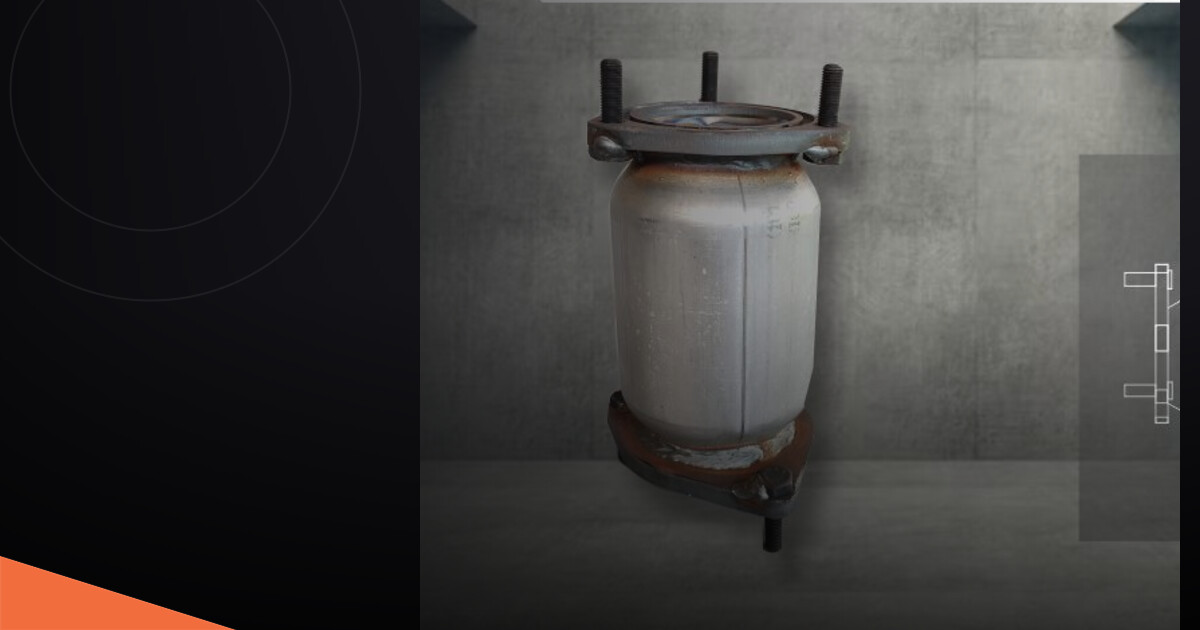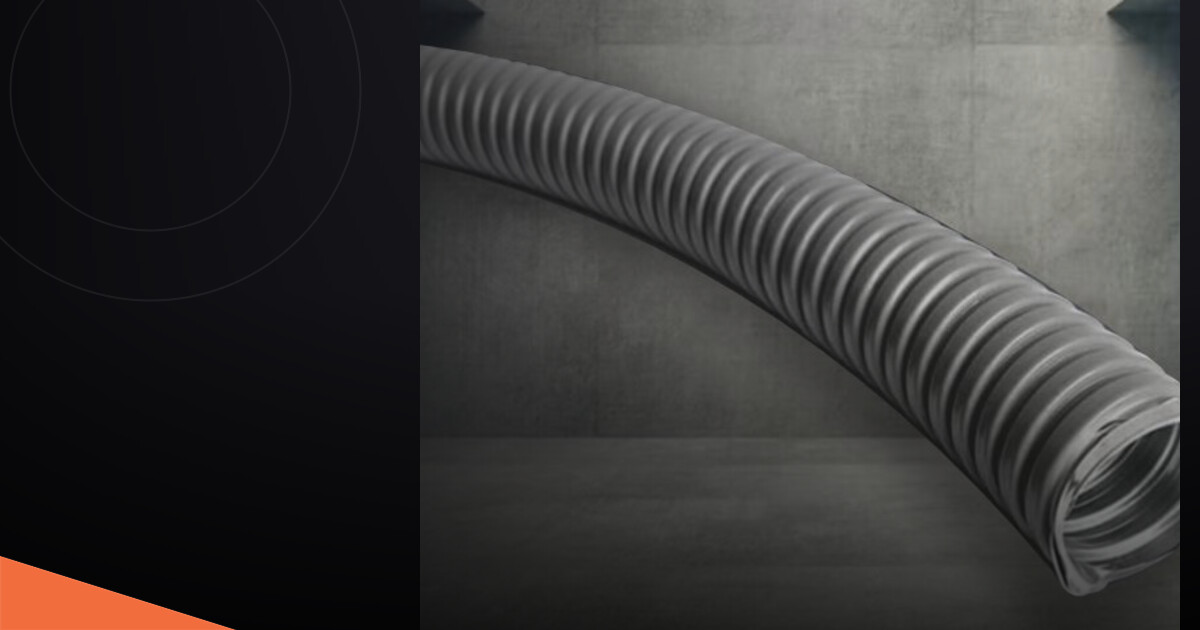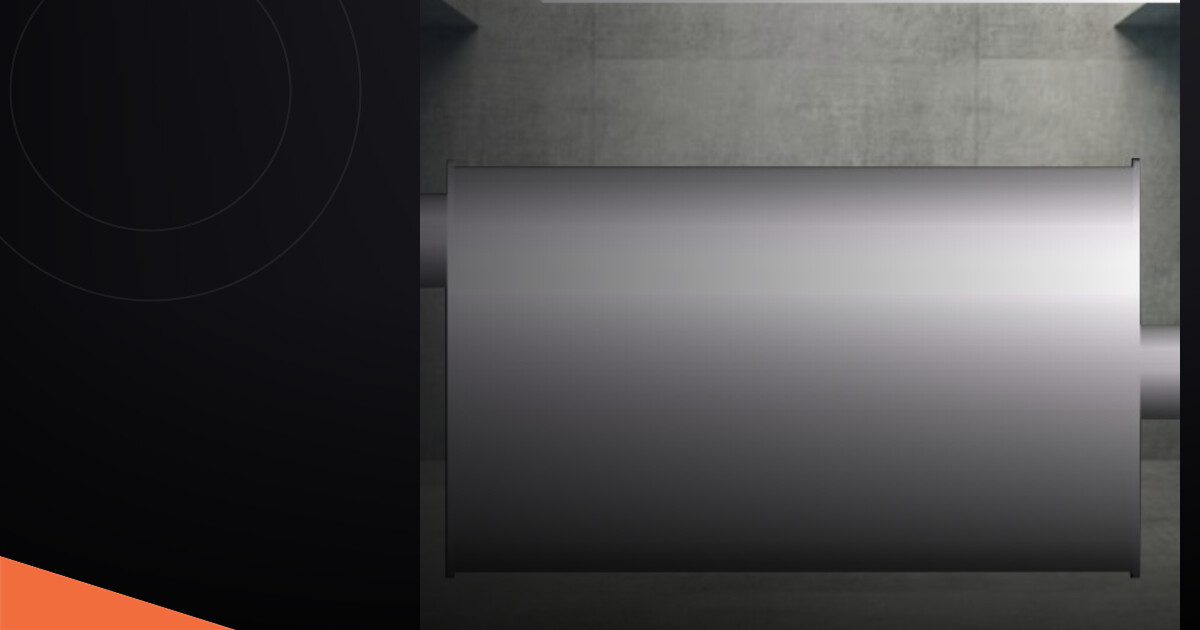
Behind every catalytic converter, muffler or pipe that leaves our plant there is a sequence of controlled stages that leave nothing to chance. Modern exhaust system manufacturing combines numerically controlled machinery, specialized welding and measurable testing to ensure that every part seals properly, lasts and performs like an original equipment component. At AM Exhaust, a Mexican manufacturer supplying repair shops, distributors and motorists, that chain of processes is what separates a reliable exhaust from one that fails within a few months. In this article we take you inside our line, step by step, and explain how we control quality at every point.
Why the process defines quality in exhaust system manufacturing
An exhaust system works under brutal conditions: temperatures exceeding several hundred degrees, constant vibration, moisture, road salt and corrosive gases. If a single weld point ends up porous or a tube wrinkles when bent, the result is a leak, an unwanted noise or premature failure. That is why it is not enough to just "put together" an exhaust; you have to manufacture it under repeatable standards. Our approach rests on three principles:
- Repeatability: every part identical to the last, thanks to numerical control (CNC).
- Traceability: every product can be identified and traced back to its manufacturing batch.
- Verification: quality is measured with objective tests, not assumptions.
Stage 1: CNC tube bending
It all starts with steel tubing cut to the exact length according to the design of each application. That tube is loaded into CNC bending machines that shape it against dies and mandrels, following programmed angles and radii. The internal mandrel is key: it prevents the tube from wrinkling or collapsing on tight bends, keeping the internal cross-section clear so gases can flow without restrictions. CNC bending eliminates human error and makes complex three-dimensional geometries possible, which cannot be achieved consistently by hand. Every bend comes out identical to the blueprint, batch after batch.
Stage 2: Body forming
Components that require a cylindrical body (such as mufflers and housings) go through forming processes where the sheet metal or tube is shaped to the required dimensions. Here the ends are prepared, diameters are calibrated and the surfaces that will later receive caps, baffles and connections are made ready. Precise forming is the foundation of good sealing later on: if the body is not on spec, no weld can make up for it.
Stage 3: Internal assembly
The acoustic performance and backpressure of a muffler depend on what it carries inside. In this stage the perforated tubes, baffles, partitions and absorbent material are installed according to each model's design. Correct assembly determines how much noise is attenuated, how the vehicle sounds and how much restriction the exhaust imposes on the engine. That is why we control positions, clearances and the integrity of every internal component before closing the body.
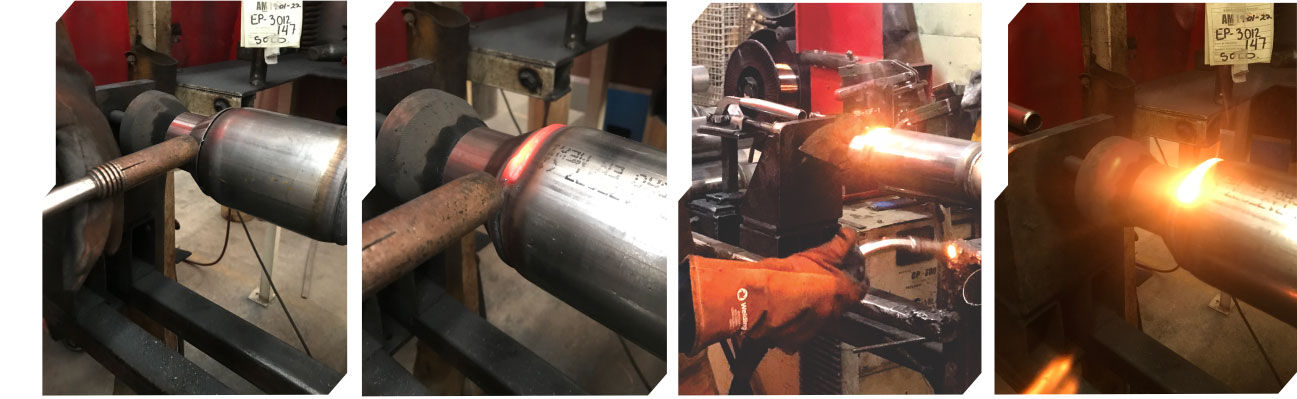
Stage 4: Welding
Welding is, without exaggeration, the heart of exhaust system manufacturing. Once the components have been bent and assembled, tubes, flanges, housings and brackets are joined by welding. Any defect here (porosity, lack of penetration, an irregular bead) translates directly into gas leaks and noise. We take care of several factors:
- Cleaning and preparation of the surfaces to be joined.
- Controlled parameters for current, speed and shielding gas.
- Continuous, uniform beads on critical joints.
- Visual inspection of every joint before moving to the next stage.
A properly executed weld not only seals: it also withstands vibration and thermal cycling throughout the entire service life of the exhaust.
Stage 5: Leak testing
This is where quality stops being a promise and becomes a measurement. Every system undergoes a leak test to verify that it is airtight. The assembly is pressurized and any loss is monitored; if the part does not pass, it does not move forward. This control catches defects the eye cannot detect: micro-porosities in welds, incomplete seals or marginal joints. For the shop and the motorist, this means installing an exhaust that does not whistle, does not leak dangerous gases and passes inspection.
Stage 6: Marking and identification
The approved product is identified with marking (laser marking, for example) that enables traceability: part number, batch or reference as applicable. This makes inventory control, warranty support and correct application identification easier. A well-marked exhaust is an exhaust that can be traced, reordered and backed up.
Quality standards at every stage
Quality control is not a step at the end of the line, but a mindset present throughout the entire process. Summarized in a table:
| Stage | What is controlled | Why it matters |
|---|---|---|
| CNC bending | Angles, radii, absence of wrinkles | Gas flow and fit to the application |
| Forming | Body diameters and dimensions | Foundation for good sealing |
| Assembly | Position of internals | Correct acoustics and backpressure |
| Welding | Bead penetration and continuity | Preventing leaks and resisting vibration |
| Leak test | System airtightness | Zero leaks guaranteed |
| Marking | Identification and traceability | Warranty and inventory |
What this means for your shop or your vehicle
When you choose a product manufactured under this process, you get concrete advantages:
- Exact fit: CNC bending ensures the part fits without forcing.
- No leaks: the leak test validates every system before it ships.
- Durability: welds and materials engineered for real thermal cycling.
- Support: traceability that backs the warranty.
To learn more in depth about how we work, visit our processes page and explore the full range in products. If you are looking for the right part for a specific model, check our applications or place your order directly in the store.
At AM Exhaust we do not improvise: we manufacture every exhaust so it seals, lasts and performs, stage by stage.
If you are a repair shop or distributor and want to work with a Mexican manufacturer that controls quality from start to finish, contact us and we will help you find the ideal product for every vehicle.