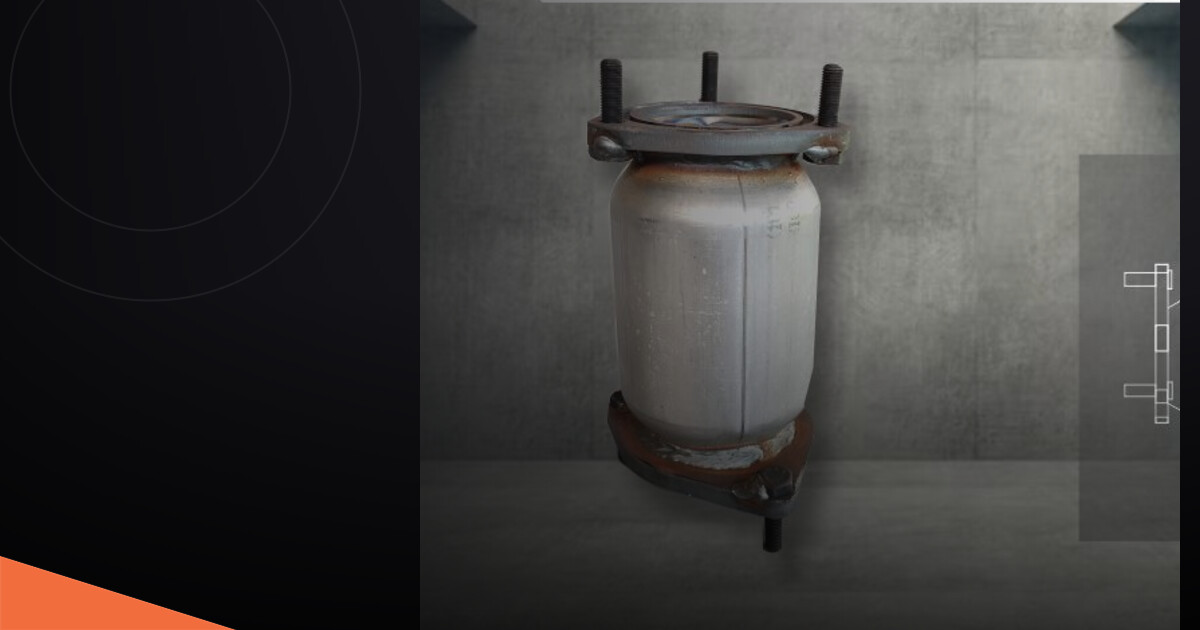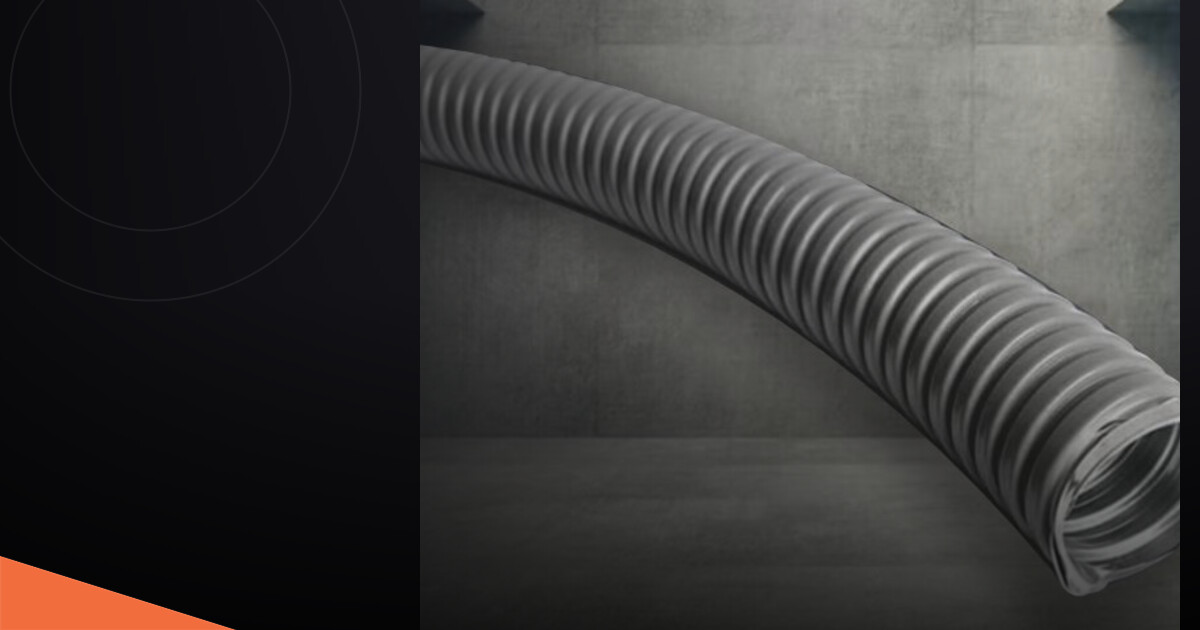
Exhaust system maintenance is one of the most overlooked aspects of vehicle upkeep, yet it is one of the costliest to neglect. A healthy exhaust controls noise, supports engine performance, and keeps emissions within regulations; a neglected one ends in leaks, advanced rust, annoying noises, and expensive repairs. The good news is that with simple inspections and good habits, you can add several years to the service life of your muffler, pipes, and catalytic converter.
In this guide, written for drivers and shops in Mexico, we explain what to check, how to catch problems early, and which habits make the difference. As Mexican manufacturers of catalytic converters, mufflers, and exhaust systems, at AM Exhaust we see firsthand every day what fails and why, and the root cause is almost always the same: corrosion and neglect.
Why the exhaust system fails
The exhaust system works under extreme conditions: temperatures of hundreds of degrees, constant vibration, and direct exposure to moisture, road salt, and flying rocks. The main enemy is corrosion. The water that condenses inside the muffler after every startup, combined with the acidic gases of combustion, rusts the metal from the inside out. That is why many failures go unnoticed until it is too late.
The areas that suffer most are the welded joints, the flange gaskets, the rubber hangers, and the lower part of the muffler, where moisture collects. Knowing these weak points lets you focus your inspections where it really matters.
Periodic inspections: what to look for
You don't have to be a mechanic to perform a basic inspection. With the vehicle cold and properly supported, work your way from front to back, following the entire run of the system. Pay attention to:
- Surface rust vs. perforating rust: light brown rust on the surface is normal; rust that flakes off, leaves holes, or crumbles when you touch it is already structural damage.
- Leaks: black soot stains around joints, flanges, or welds indicate that gases are escaping there.
- Hangers and rubber bushings: check that they are not torn, stretched, or missing; a dropped hanger leaves the pipe hanging and banging.
- Clamps and hardware: look for loose, rusted, or stripped bolts on the catalytic converter and muffler flanges.
- Impacts and dents: Mexican speed bumps and reducers leave their mark; a dent restricts flow and weakens the pipe wall.
A sensible routine is a visual inspection at every oil change and a more detailed inspection at least once a year, or sooner if you frequently drive through areas with salt, mud, or poor road conditions.
Warning signs you shouldn't ignore
Even if you never get under the vehicle, it will warn you when something is wrong with the exhaust. Address these signs:
- Louder or raspier noise than normal, especially under acceleration: a classic sign of a leak or a perforated muffler.
- Buzzing or metallic rattling under the floor: usually a broken hanger or loose internal muffler material.
- Vibration in the pedal or steering wheel at certain RPMs, which can come from a loose pipe.
- Exhaust gas odor inside the cabin: this is a serious safety warning; gases could be entering through a leak. Address it immediately.
- Check engine light on or failing the emissions inspection: this often points to a problem with the catalytic converter or its sensors.
- Power loss or higher fuel consumption: a clogged or restricted exhaust forces the engine to work harder.
Rust and corrosion: how to slow them down
You can't eliminate moisture entirely, but you can reduce its effect. Light surface rust can be cleaned with a wire brush and protected with high-temperature paint made specifically for exhausts. What you should never do is "patch" holes with tape, putty, or cans: these are fixes that last weeks and mask damage that keeps growing. When a section is perforated, the right approach is to replace the part or weld in sound metal.
In coastal areas or where salt is used in winter, consider washing the vehicle's underbody periodically to flush away accumulated salt. And when installing new parts, insist on aluminized or stainless steel, which resists corrosion far better than ordinary steel.
Good habits that extend service life
Beyond repairs, the way you drive directly affects the durability of the exhaust:
- Avoid very short, repeated trips: the system never reaches operating temperature and the internal moisture never evaporates, accelerating internal corrosion.
- Drive gently with a cold engine: cold-engine acceleration stresses welds and hangers.
- Go over speed bumps slowly and head-on: impacts are the number one cause of dents and broken hangers.
- Use quality fuel: it reduces deposits that damage the catalytic converter.
- Address misfires promptly: unburned fuel overheats and ruins the converter.
If you want to better understand how each component works, this video clearly explains the operation and parts of the exhaust system, a good complement for making better maintenance decisions.
When to repair and when to replace
A spot weld, a new hanger, or a clamp are valid and economical repairs. But when the rust is widespread, the muffler sounds hollow inside, or the converter no longer controls emissions, the most cost-effective choice in the long run is to replace it with quality parts and a correct fit. A cheap, poorly made part fails again soon and ends up costing more.
At AM Exhaust we manufacture mufflers, pipes, and catalytic converters in Mexico with corrosion-resistant materials and leak testing on every part. Check the options for your vehicle in our store or reach out through contact for advice on the best maintenance or replacement for your exhaust system. Caring for it in time is always cheaper than an emergency repair.