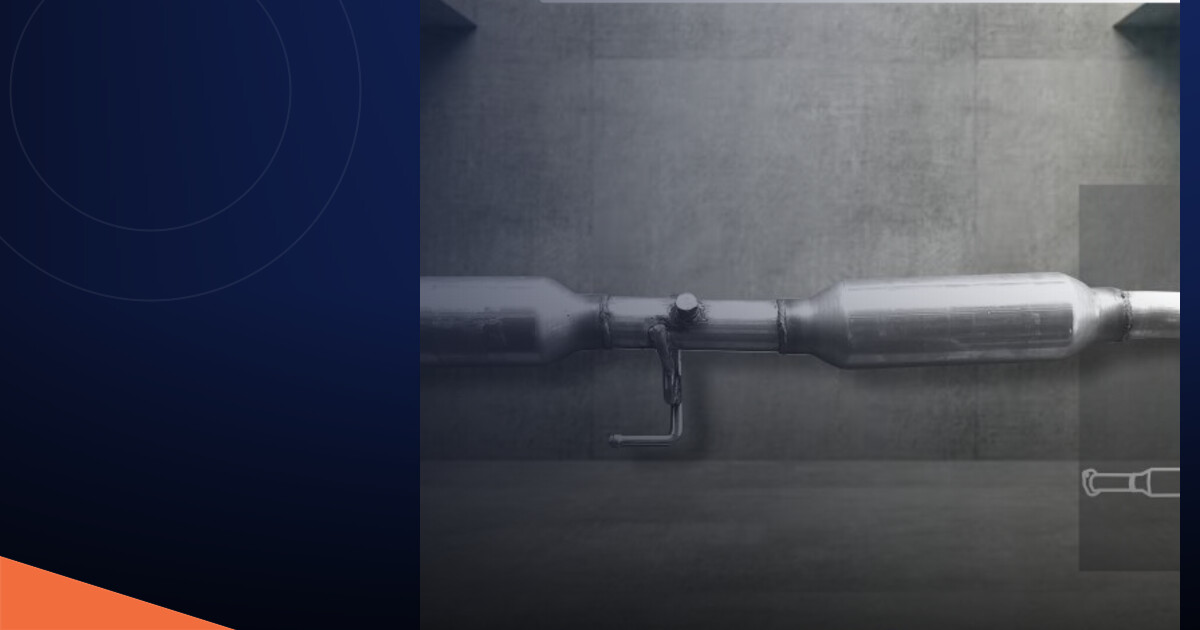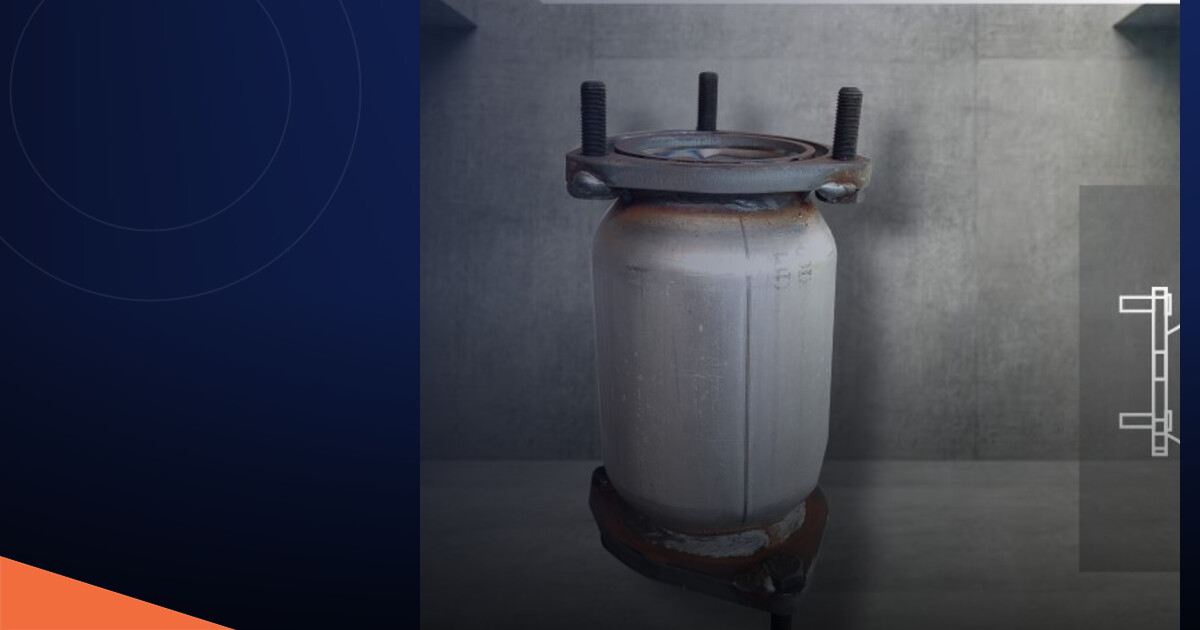
Catalytic converter theft has become one of the fastest-growing vehicle crimes in Mexico and in several other countries. The reason is simple: an experienced thief can cut out and remove the part in under three minutes, without breaking into the car and often without anyone noticing until you start the engine and hear a loud, metallic noise. In this article we explain why it happens, which vehicles are targeted most, and, above all, what real measures you can take to reduce the risk of losing this key part of your exhaust system.
Why catalytic converters get stolen
The motive behind catalytic converter theft is not scrap metal, but the precious metals inside the part. To turn polluting gases into less harmful substances, the converter uses small amounts of:
- Platinum: speeds up the oxidation reactions of gases.
- Palladium: one of the most highly valued metals on the market per unit of weight.
- Rhodium: at certain times it has been worth more than gold per ounce.
Although each converter contains just a few grams of these metals, their high value means a single part can sell for thousands of pesos on the black-market recycling trade. On top of that, the part sits in plain sight under the car, held on with bolts or welded to pipes that are easy to cut with a cordless saw. Low risk, fast removal, and a high resale price: the perfect combination for a thief.
Most affected vehicles
Not every car is at the same level of risk. Thieves choose targets based on two factors: how much precious metal the converter contains and how easy it is to reach. The most sought-after are usually:
- Hybrids: their converters run cooler and tend to retain a higher amount of metals, which makes them a highly prized target.
- SUVs, pickups, and tall trucks: their greater ground clearance lets a thief slide underneath without needing a hydraulic jack.
- Commercial and fleet vehicles: delivery vans and units parked together overnight are attractive targets.
- Cars parked on the street: regardless of the brand, a vehicle left unattended for hours is more vulnerable.
How to tell if your converter was stolen
The most obvious sign appears when you start the engine: a loud, hoarse, metallic roar, far louder than normal, that grows as you accelerate. The check engine light may also turn on, you will notice a loss of power, and in many cases a stronger smell of exhaust gases. If you look under the car, you will see a gap in the exhaust line with the pipes cut.
Protection measures that actually work
There is no method that is 100% foolproof, but combining several barriers keeps your car from being an easy target. The goal is clear: to make stealing your converter take longer, be noisier, and be harder to resell.
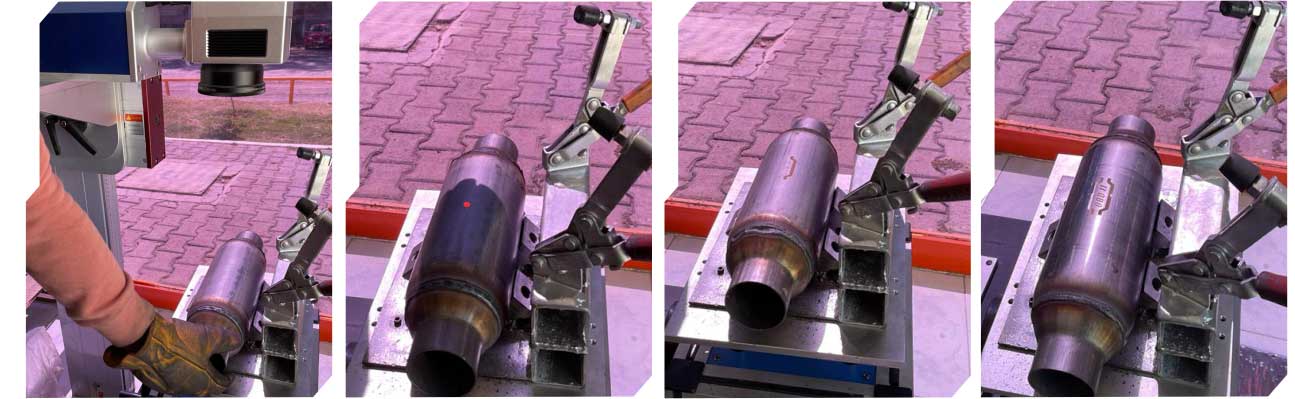
1. Identification marking or engraving
Engraving the serial number, the license plate, or a unique code onto the converter is one of the most effective and affordable measures. A marked part is much harder to sell, because the scrap buyer can trace its origin. In addition, if the police recover stolen converters, the marking makes it possible to identify the owner. Some shops also apply high-temperature paint in bright colors, which a thief would have to scrape off before reselling.
2. Shields, cages, and protection plates
There are anti-theft devices that install over or around the converter:
- Steel plates: cover the underside and block direct access to the part.
- Cages: structures of steel rod or cable that wrap around the converter and force the thief to cut through much more material.
- Reinforced clamps and brackets: make it harder to remove the part with common tools.
These accessories do not make theft impossible, but they do make it slow and noisy, exactly what a thief wants to avoid. It is best to have an experienced shop install them so that exhaust performance and operating temperature are not affected.
3. Where and how to park
Where you leave your car matters a great deal. Here are some practical recommendations:
- Keep the vehicle in a garage or enclosed parking lot whenever you can.
- If you leave it on the street, choose well-lit areas with foot traffic.
- Favor parking lots with security cameras or surveillance.
- Park close to a wall or between other cars to make access to the underside harder.
- For fleets, place the tall units in the center and surround them with lower cars.
4. Alarms and sensors
A well-calibrated alarm that detects vibration or tilt can go off when someone tampers with the underside of the vehicle. There are even sensors made specifically for the exhaust system. The noise and the lights are usually enough to scare off a thief who wants to work fast and quietly.
What to do if it has already been stolen
If you have been a victim, avoid continuing to drive: running without a converter raises emissions, can damage other components, and in many places is grounds for a fine and for failing the emissions inspection. File a report with the authorities and replace the part as soon as possible with a product that meets current environmental regulations. Choosing a quality converter, built for your application, ensures the car passes inspection again and runs cleanly and efficiently.
At AM Exhaust we manufacture catalytic converters and exhaust systems in Mexico for a wide range of applications, designed for durability and environmental compliance. If your converter was stolen or you want advice on protection and replacement, contact us to find the right part for your vehicle, or check the catalog in our store. Protect your investment before it is too late.