
The catalytic converter is one of the most important—and at the same time most underrated—components of your vehicle's exhaust system. Its work is invisible but decisive: transforming the toxic gases coming out of the engine into far less harmful compounds before they reach the air we all breathe. Understanding the relationship between the catalytic converter and polluting emissions is key for any motorist, repair shop, or distributor in Mexico—not only to pass the emissions inspection, but because the air quality of our cities depends on it.
In the country's major metropolitan areas, where millions of cars drive every day, this small device makes an enormous difference. Below we explain exactly what it does, how it manages to reduce pollutants, and why operating a vehicle without one is a bad decision technically, environmentally, and legally.
What the catalytic converter is and how it reduces emissions
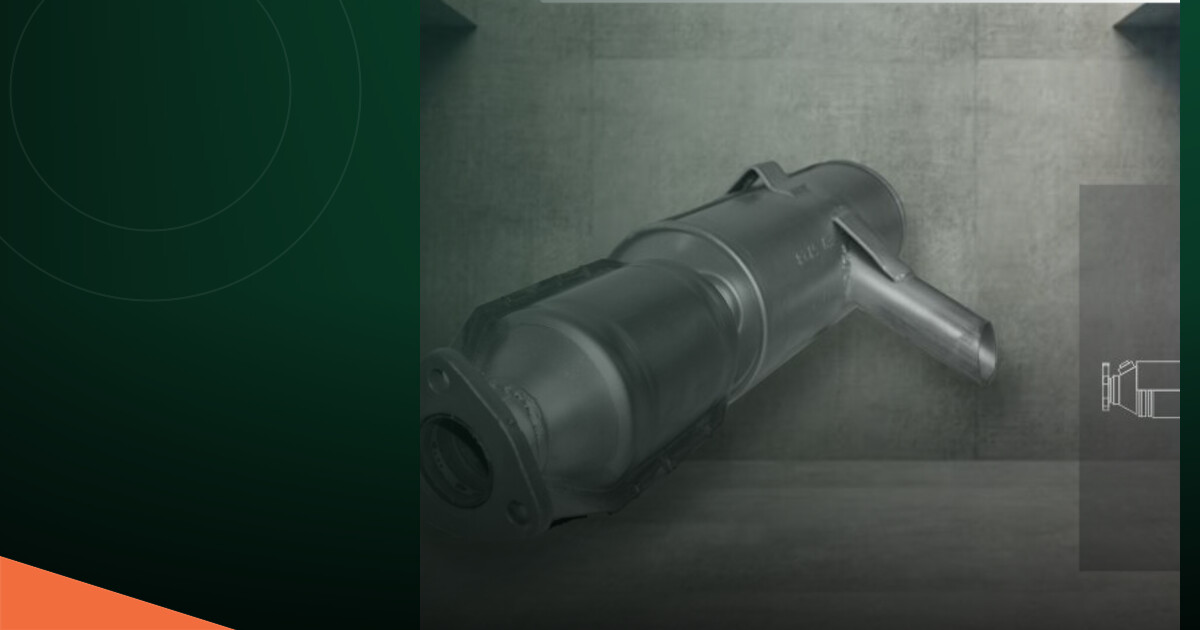
The catalytic converter is a metal chamber installed in the exhaust line, between the manifold and the muffler. Inside, it houses a ceramic (or metallic) honeycomb coated with precious metals—primarily platinum, palladium, and rhodium—that act as catalysts: they speed up chemical reactions without being consumed in the process. As the hot engine gases pass through this honeycomb, two types of reactions take place that reduce harmful emissions:
- Reduction catalysis: rhodium and platinum transform nitrogen oxides (NOx) into harmless nitrogen and oxygen.
- Oxidation catalysis: platinum and palladium convert carbon monoxide (CO) and unburned hydrocarbons (HC) into carbon dioxide and water vapor.
Thanks to this process, a converter in good condition can reduce polluting emissions from gasoline combustion by up to 80%. To work optimally, it relies on the oxygen sensors and on an air-fuel mixture properly calibrated by the engine's computer.
The three pollutants it neutralizes
During combustion, the engine produces gases that, without treatment, are highly dangerous. The converter targets the three main ones:
- Carbon monoxide (CO): a colorless, odorless gas that reduces the blood's ability to carry oxygen; in high concentrations it is lethal.
- Hydrocarbons (HC): unburned fuel that contributes to the formation of ground-level ozone and smog.
- Nitrogen oxides (NOx): responsible for acid rain, photochemical smog, and respiratory problems.
Impact on health
Prolonged exposure to these pollutants is linked to asthma, chronic bronchitis, cardiovascular disease, and a higher risk of respiratory infections, especially in children and older adults. In cities with high vehicle density, keeping converters working is a public health measure, not just a mechanical concern.
Environmental impact
Environmentally, untreated gases degrade air quality, generate smog, and contribute to climate change. In Mexico, the mandatory adoption of the catalytic converter since 1994 has helped reduce pollution generated by private and urban transit vehicles by more than 80%—a change visible in the air quality of the main metropolitan areas.
Why you should never drive without a catalytic converter
Some drivers consider removing or "gutting" the converter in pursuit of more power or to save money on a repair. It is a mistaken decision for several reasons:
- It is illegal: in Mexico, the vehicle must be presented for the emissions inspection with its converter installed. Without it, you will not pass the inspection and you expose yourself to penalties, since the environmental authorities carry out random checks.
- It harms your health and that of others: without treatment, your car releases CO, HC, and NOx directly into the environment.
- It affects engine performance: the exhaust system is designed to work with the back pressure the converter provides; removing it can cause malfunctions and trigger the check engine light.
- It costs you more in the long run: driving without it means fines, a re-inspection, and ultimately the purchase of the component you will need anyway.
If your converter is damaged, clogged, or stolen, the right thing to do is replace it with a quality part featuring the proper metalization for your model. Not all converters are the same: the amount and proportion of precious metals must match the vehicle's engine displacement and emissions control system.
How to tell if your converter is failing
Watch for these signs that the converter may not be reducing emissions properly:
- A noticeable loss of power or sluggish acceleration.
- A sulfur (rotten egg) smell in the exhaust.
- A "Check Engine" light triggered by catalyst efficiency codes.
- Higher gasoline consumption.
- Rattling noises on startup, a sign that the internal honeycomb has come loose.
- Failing the emissions test during inspection.
If you experience any of these symptoms, the best course of action is to visit a trusted repair shop for a diagnosis and, if necessary, replace the converter with a part manufactured under quality standards.
Manufacturing quality that truly delivers
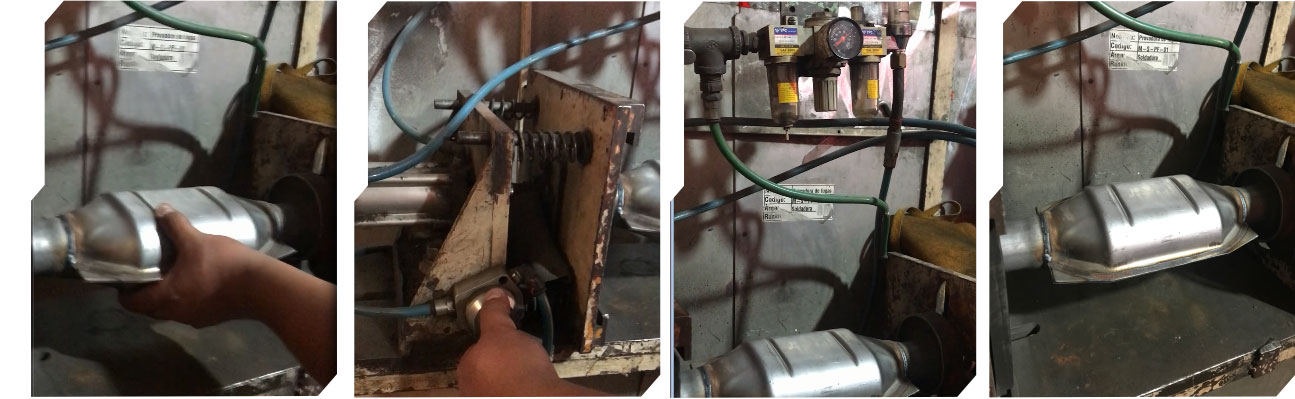
At AM Exhaust (American Muffler), we manufacture catalytic converters, mufflers, and exhaust systems with controlled processes—from body forming to leak testing—to ensure that every part fulfills its job of reducing emissions reliably and durably. We work with repair shops, distributors, and motorists who are looking for real quality, not just to complete a formality.
Do you need to replace a vehicle's converter? Find the correct part for each model in our applications section and place your order directly in our store. Investing in a quality converter is investing in your car's engine, in your city's air, and in your peace of mind come inspection time.