When the time comes to replace your catalytic converter, the most important decision isn't just the brand: it's the type of part. A direct fit converter (also called a direct-application converter) is designed to drop into the exact position of the original, with no pipe cutting, bending, or welding. In this article, we explain what it is, how it differs from a universal converter, and how to identify the right one for your car so the installation is truly a bolt-on job.
What is a direct fit or direct-application converter?
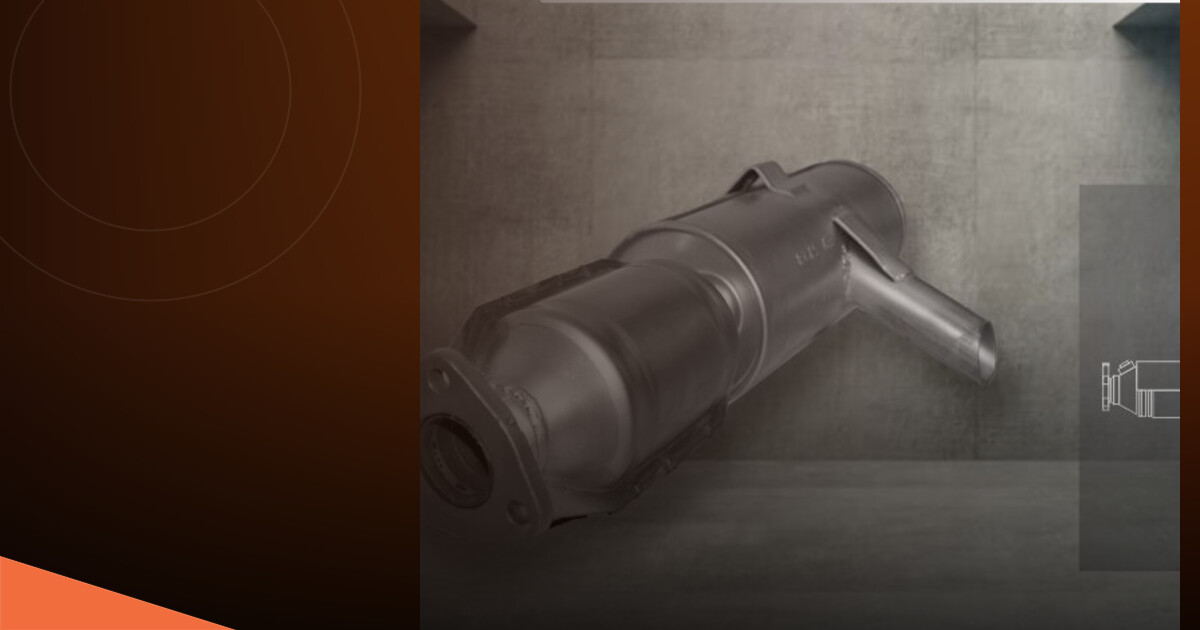
A direct fit converter is a part manufactured for a specific combination of make, model, engine, and year. It replicates the dimensions, inlet and outlet diameters, flanges, hangers, and routing of the original factory converter. In practice, this means the component "drops" into place and fastens with the existing hardware, just like the original equipment part.
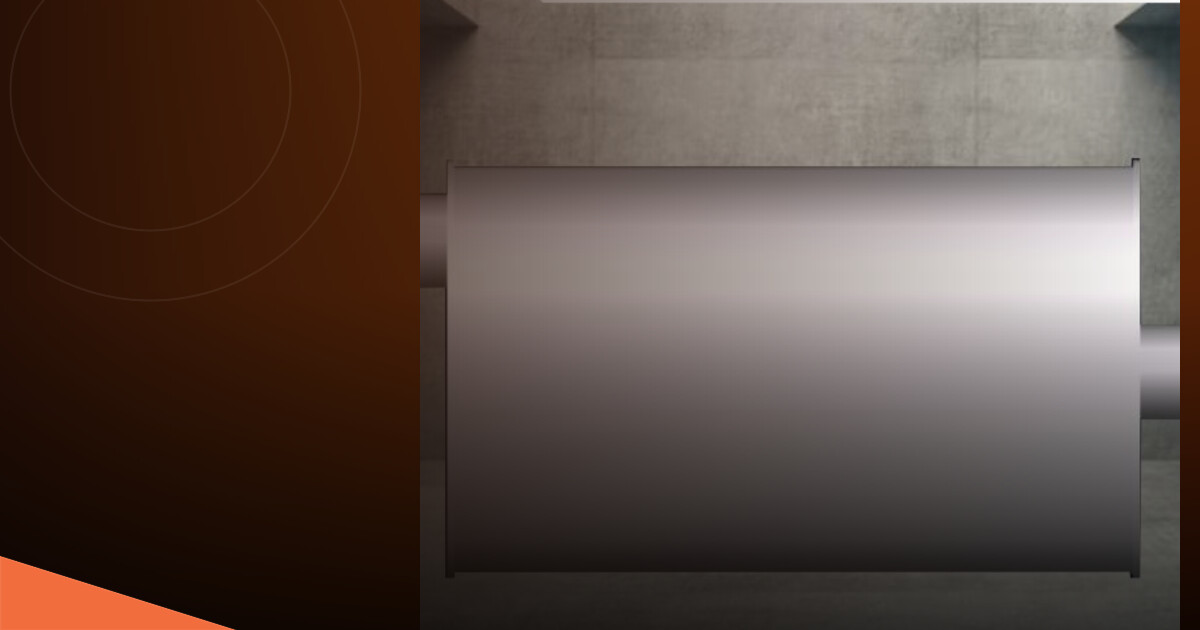
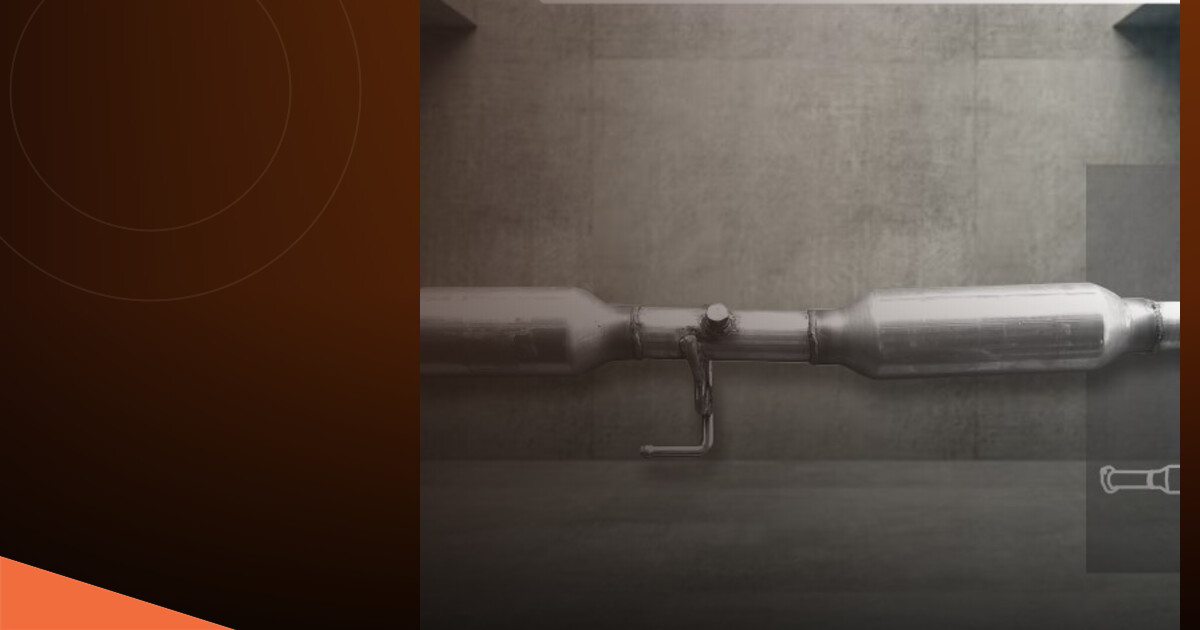
The difference from a universal converter is fundamental. The universal is a generic body with straight pipes on each end that fits many vehicles, but it almost always requires modifications: cutting the exhaust pipe to size, aligning the body, repositioning or fabricating hangers, and welding the joints. The direct fit eliminates all of that shop work.
Advantages over the universal converter
Choosing direct-application has concrete benefits for both the driver and the shop:
- Faster installation: because no cutting or welding is required, labor time drops significantly. Many cases can be handled with basic hand tools.
- Less room for error: the factory fit reduces the risk of leaks at the joints, noise, and vibration from incorrect alignment.
- Sensors in the right spot: the oxygen sensor ports come in the correct position, which helps the vehicle's computer read the air-fuel mixture accurately and avoids trouble codes from faulty readings.
- Better sealing and durability: bolted flanges with a new gasket seal reliably and allow the assembly to be removed in the future without a struggle.
- Appearance and heat shields: many direct fit parts retain the heat shields and original routing, respecting the design under the chassis.
The universal still makes sense for heavily modified exhaust systems or vehicles with no direct-application part available, but it requires an installer with welding equipment and good judgment. For most street cars, the direct fit is the safest and most predictable option.

Bolt-on installation: how the process works
The big promise of the direct fit is the bolt-on installation. Although every vehicle has its own particularities, the general workflow at a shop is as follows:
- Safely lift the vehicle and let the exhaust system cool down completely.
- Apply penetrating oil to the flange hardware and let it work to break loose the corrosion.
- Disconnect the oxygen sensor or sensors with the proper wrench to avoid damaging the threads or the wiring.
- Remove the original converter by loosening the flanges and freeing it from the rubber hangers.
- Position the new direct fit converter, aligning the flanges and hangers; install new gaskets.
- Tighten the hardware to the specified torque and reinstall the sensors.
- Start the engine and verify there are no leaks, noises, or warning lights on the dashboard.
One key detail: always use new gaskets and hardware, and don't reuse deformed seals. It's the most common cause of leaks after a swap that otherwise went well.
Vehicle compatibility: the critical point
Direct-application only works if the part corresponds exactly to your vehicle. That's why compatibility by make, model, engine, and year is the first thing you must confirm. Two cars of the same model may use different converters depending on engine size or production year, and they can even vary between trim levels.
To avoid mistakes, have this information on hand before buying:
- Exact make, model, and year.
- Engine displacement and type.
- Whether it's front, rear, left, or right when the vehicle uses more than one converter.
- The original part number, if you have it, to confirm the cross-reference.
At AM Exhaust, you can verify all of this in our search tool by make, model, engine, and year, which shows you the correct part for your car and prevents wrong purchases.
The AM Exhaust Direct Fit line
As a Mexican manufacturer, at AM Exhaust we produce our Direct Fit line with CNC-bent tubing, controlled body forming and internal assembly, plus in-plant leak testing. That translates into parts that respect the original dimensions and flanges for a true direct-application installation, with no surprises at the shop.
A good direct fit converter proves itself on the test bench and on the lift: it seals, measures, and bolts up like the original.
Direct fit or universal for your case?
If your vehicle is a street car and a direct-application part exists, choose direct fit: you save time, reduce risks, and preserve the original behavior of the exhaust. Reserve the universal for projects where no specific part is available or the system is modified and you have a shop equipped to weld and fabricate.
Ready to find the right converter? Check your car's compatibility in our applications search tool, browse the Direct Fit line in the store, and if you have questions about your case, reach out through contact for guidance on the exact part for your vehicle.